Just like all other things, the world of architecture is also moving with the times. Some very interesting trends are emerging, and there is a growing demand for facilities that not only look beautiful but also do more, like being functional, environmentally conscious, and people-centered.
Smart and Adaptive Architecture Powered by AI and Data
The coming buildings will be smarter due to databases, AI, and technology such as sensors and IoT. Such buildings will be able to adjust to their environments and also to the people around. Think about lights, heating, and air conditioning systems that change depending on your behavior, or windows that can control light and temperature. It’s going to be architecture of the future.
Adding trends related to data and AI in design will make the trends more personal. User data will be used for the design of areas that will be more personal. For instance, interior design functionality is based upon a person’s circadian rhythm or color preferences.
Sustainable Materials and Green Construction for a Healthier Planet
“The future will see buildings become living creatures that adapt and learn in response to their surroundings. It will be possible, thanks to AI, to design spaces that serve not only a functional purpose, but also evoke an emotional response,” said Bjarke Ingels, Founder, Bjarke Ingels Group.
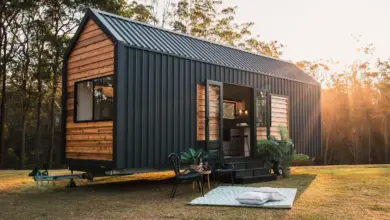
The next trend is sustainability and the implementation of natural and friendly materials used for the construction of an architectural form. The rise in the usage of recycled construction materials such as recycled timber, recycled polycarbonate, and eco-friendly cement is also projected to form a trend.
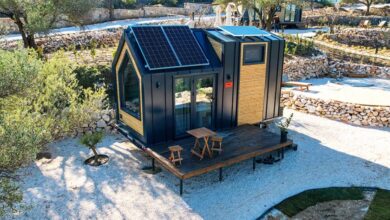
Eco-friendly products made from natural resources such as bamboo materials, hemp, mushrooms, and others will come to focus as better alternatives compared to existing construction materials. Solar panels and wind turbines will also form a necessary component of architectural designs just like rainwater harvesting systems.
Innovative Technologies and Resilient Design Shaping Future Cities
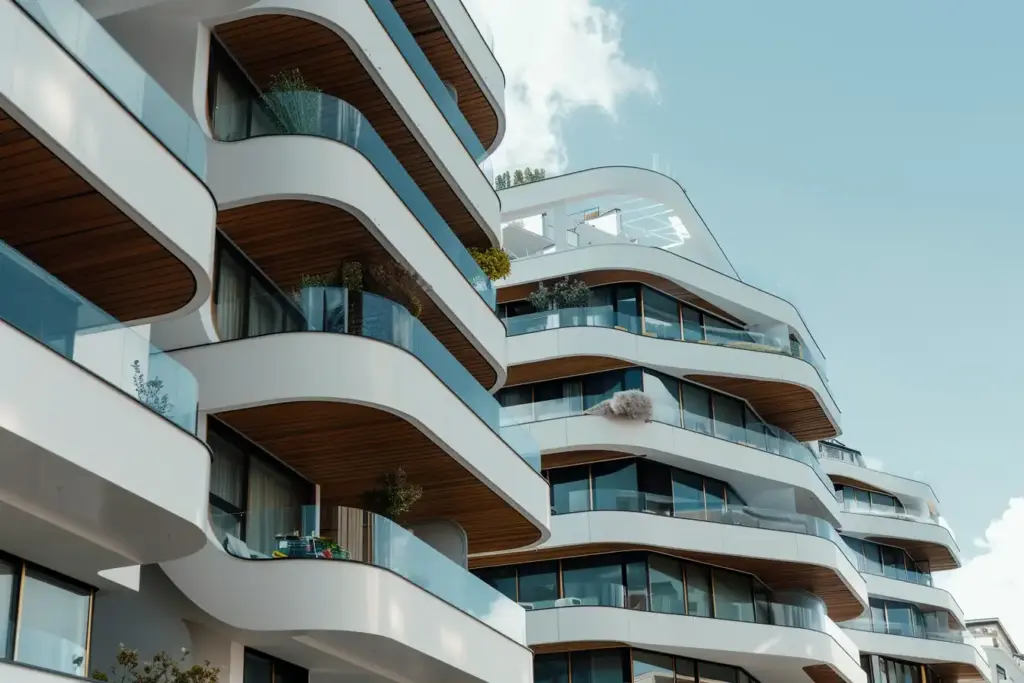
Then the future trend will include a lot of construction for the 3D printer. Technology for 3D printing supports the development of complex and unique building constructions. Moreover, the related benefit of the construction is that the process for constructing the structure should also be accelerated through the use of 3D printing, most specifically for the fabrication of the pre-fabricated parts for the construction. With 3D printing, material waste will not occur because during the production process, only the required material is extracted.
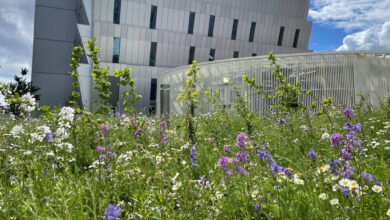
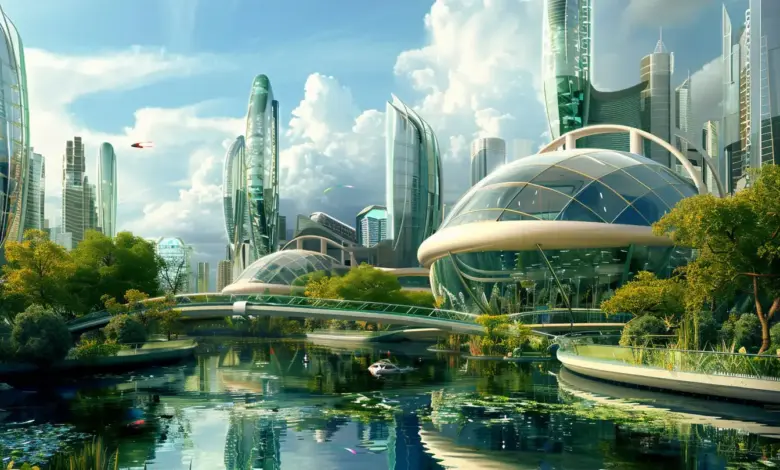
Next follows the architectural movement that attempts to bring nature into architecture. The living green walls, which are full of plants and vegetation, do not only involve architectural design but also pertain to regulating climate and cleaning the environment. Green walls and roofs can therefore also be used as insulating layers for reducing cooling loads and even for harvesting rainwater. The architectural details and features of buildings will therefore exhibit a higher degree of nature interaction symbolized by numerous windows, terraces, and gardens.
Final Thoughts
Lastly, the future structures will also be designed in such a way that they will easily withstand flood, earthquake, or hurricane disasters. The passive design will include techniques such as natural ventilation and shading in an effort to reduce the cooling load on the buildings.
With the revelations made regarding the future of architecture, intelligence and reactivity of the structures toward the demands of the people, enhancive, and sustainability emerge as the future paradigms of architectural design. Technologies, environmentally sustainable materials, and ideas for construction will allow the architects to create a much more advanced environment for the coming generations.