Modern Architecture: Creating Functional and Sustainable Spaces for the Future

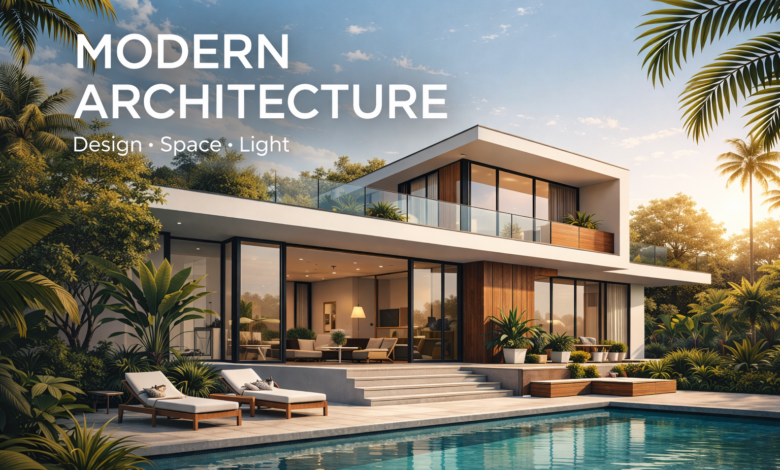
Modern architecture is one of the most popular design movements in the modern world. As the size of cities grows and lifestyles change, buildings are no longer constructed solely for the purpose of providing shelter but also for functionality, comfort, and sustainability. Modern architectural design is a result of technological advancements and changes in human behavior, with a focus on simplicity, functionality, and sustainability.
Understanding Modern Architecture
Modern architecture is all about the concept of “form follows function.” Modern architecture is all about functionality and not about aesthetics. The design focuses on the functionality of the building and not on its aesthetics. Architects design buildings to create spaces that facilitate daily activities while keeping the design simple and clear.
This design is all about functionality. Every aspect of a building, from its design to its materials, has to be functional. This results in a clean and clutter-free space that enhances functionality and comfort.
Technology and Smart Buildings
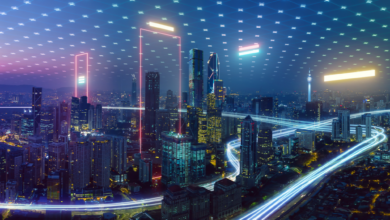
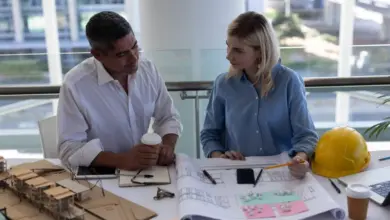
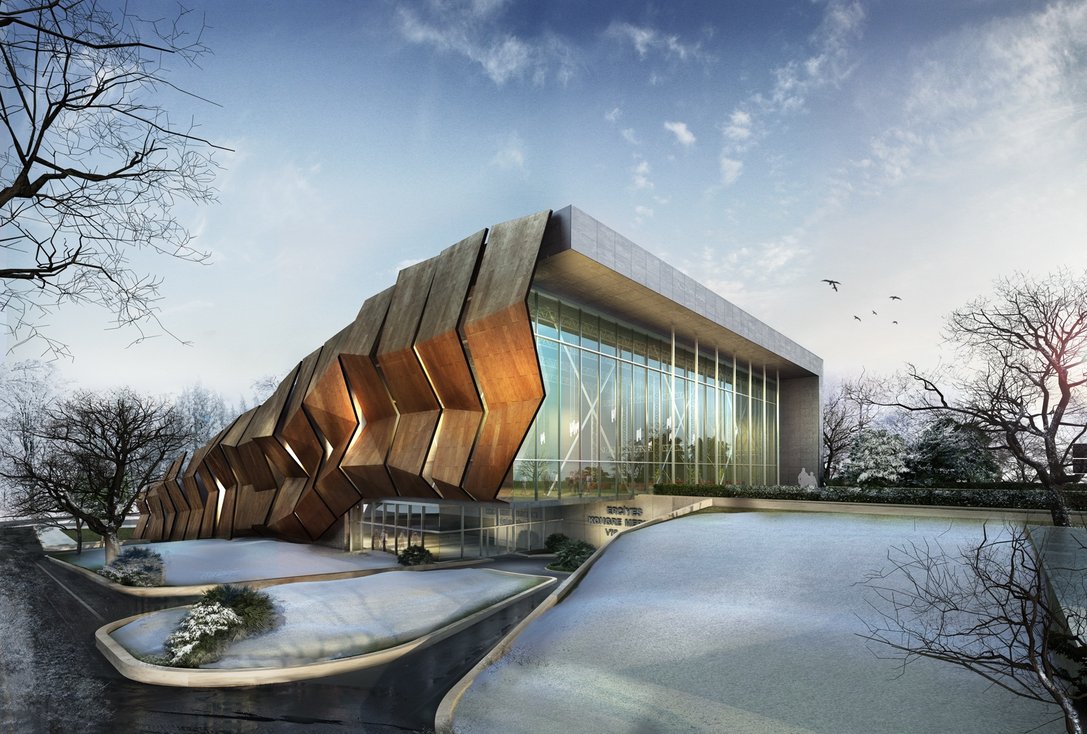
Technology has had a significant influence on current architecture. Architects are testing structures prior to beginning construction with the use of digital modelling software, which has resulted in decreased error and enhanced efficiency. Smart building systems automatically adjust lighting, ventilation and temperature based on occupancy and weather conditions.
Automation enhances comfort while decreasing the amount of energy consumed. Sensors, smart thermostats and integrated security systems create more responsive contemporary buildings to human requirements.
Sustainable Architecture
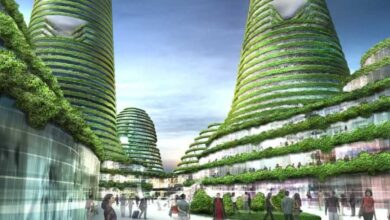
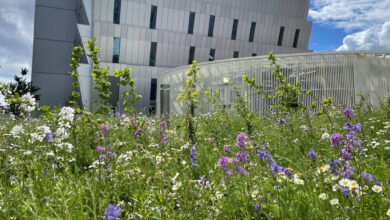
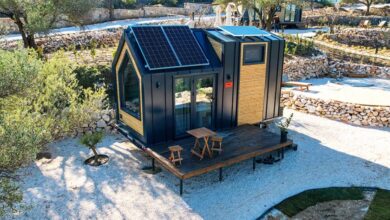
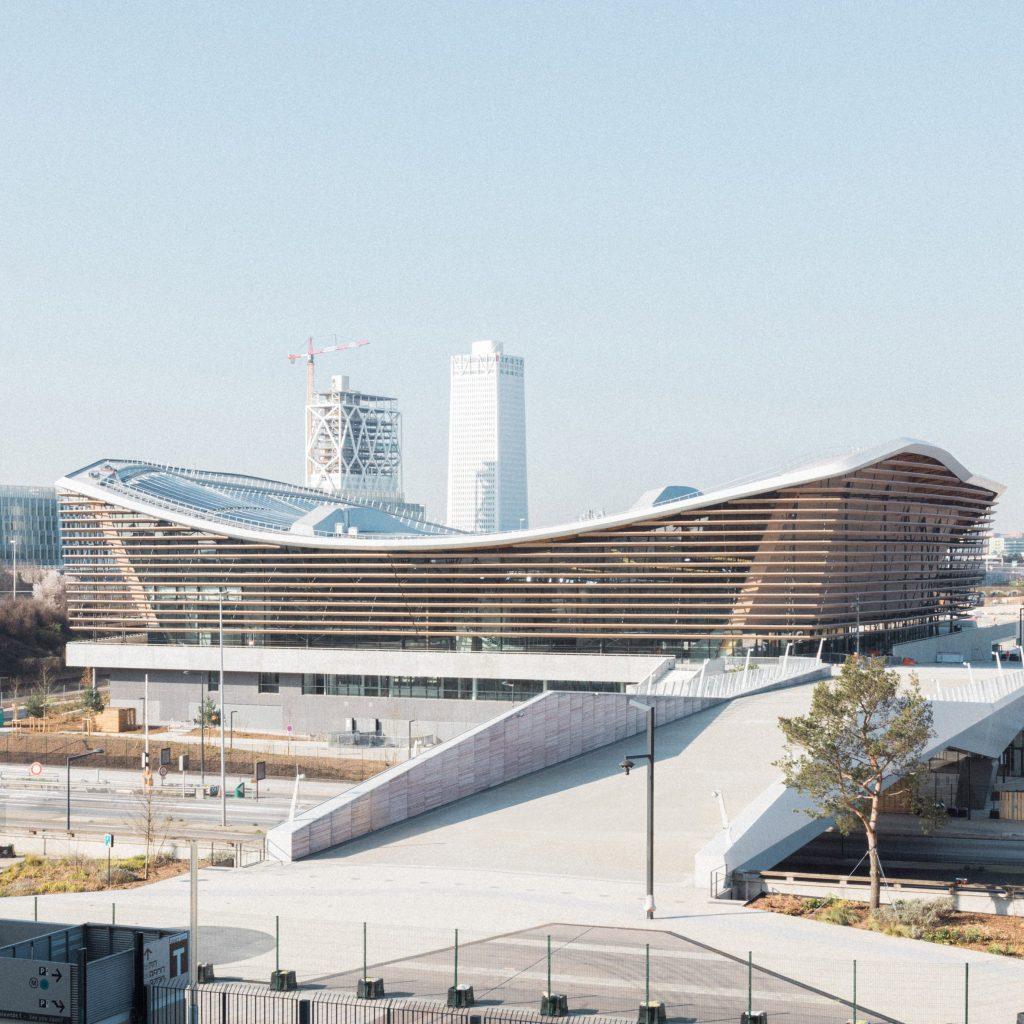
The modern designed includes everything from environmental awareness to energy-efficient insulation to even natural ventilation. The more innovative building designs with incorporated green roofs and vertical gardens help with air quality. They also help with moisture and heat regulation. Combine these with designs that help with passive control and you have even more confidence that building will have reduced cooling and heating needs. The most critical factor when considering sustainable architecture is that it will always protect, and help natur, ultimately saving operational costs in the long run.
Daily Life of Modern Architecture
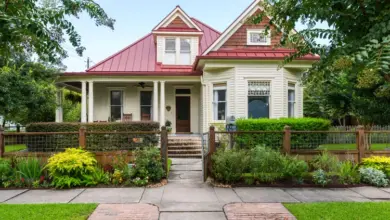
Contemporary architecture is present in homes, office buildings, schools, and many other public spaces. Homes are designed for comfort and flexibility, while workspaces are designed to optimize productivity and encourage collaboration. Public buildings provide accessibility and an aesthetically pleasing environment that supports interaction among community members.
Future of Modern Architecture
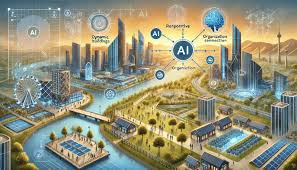
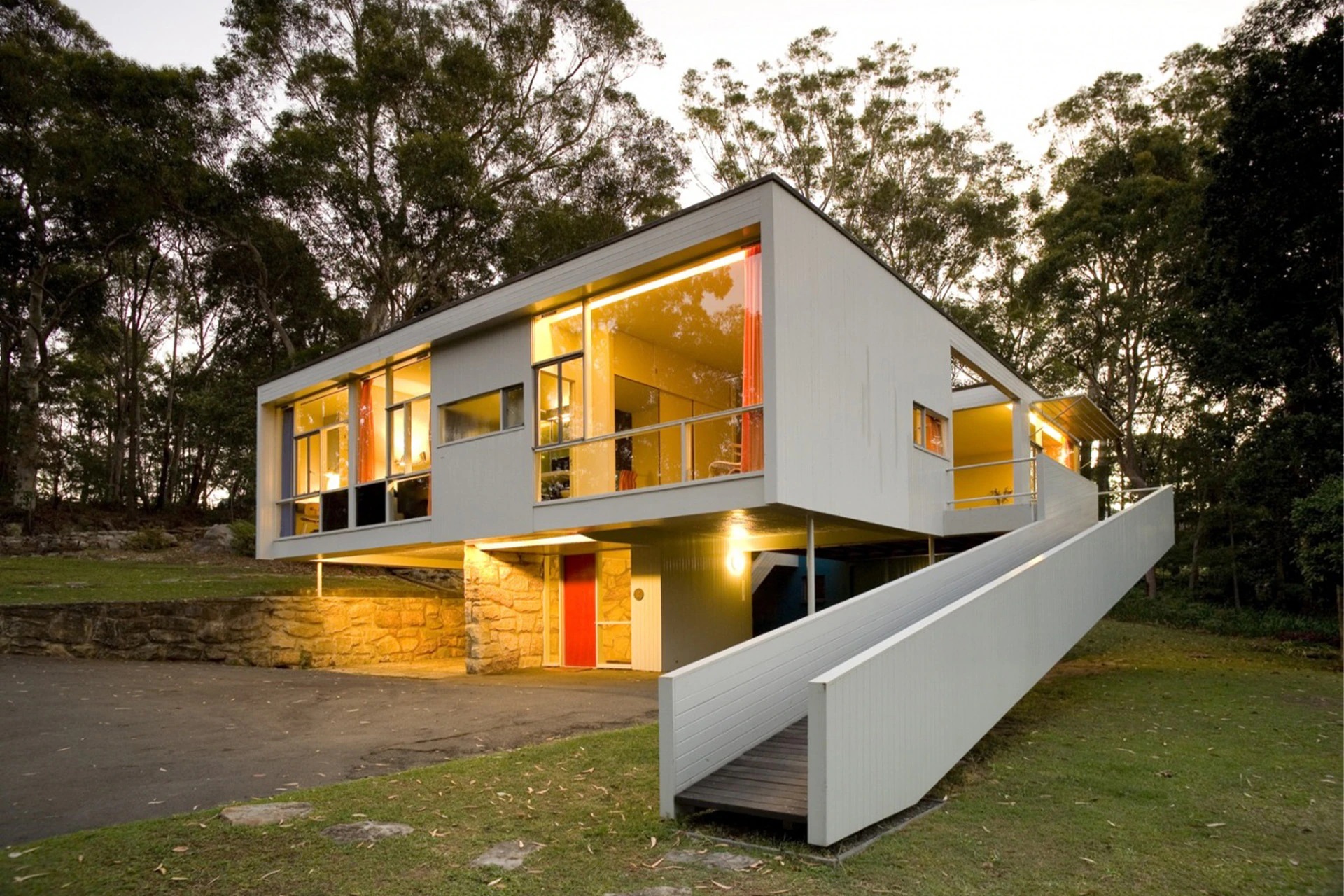
The future of architecture has the potential to incorporate artificial intelligence and adaptive materials, as well as provide responsive environments. For example, the buildings of the future may be able to change the amount of light, temperature, and sound to match the preferences of their users automatically. In addition to these advancements, the goal of architecture will be to create spaces that help improve the well-being of users.
Final Thoughts
Today’s architects are creating buildings that bring about social, political, and economic changes for today’s world. Combating major issues such as, “climate change,” lack of housing, and shrinking budgets means using contemporary architecture in combination with functional design, technology, and sustainable materials to develop an efficient, comfortable, and forward-thinking environment for the way in which we work and live. Continual urbanization will necessitate development using modern architecture so that we can create a better, smarter, more sustainable planet.