Innovative Affordable Architecture Designs for High-Density Cities

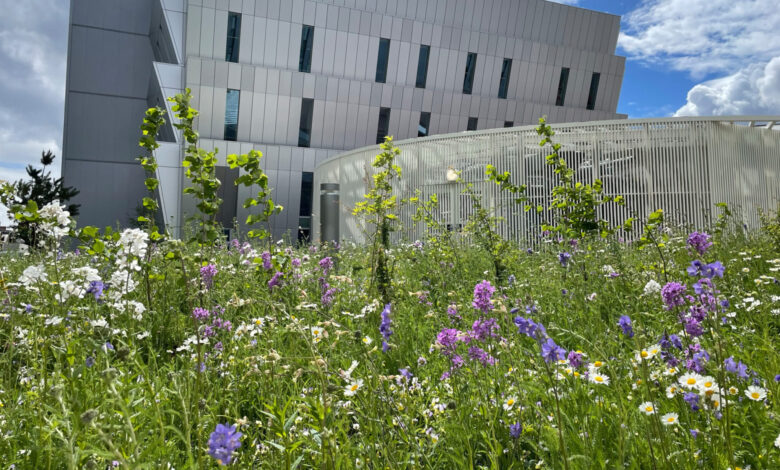
Cities like New York, San Francisco, London, and Paris are getting more crowded every year. The pressure’s on to make housing affordable, but nobody wants to give up on what makes city life good. The old ways just aren’t cutting it. Land is expensive, space is tight, and apartments get snapped up fast. So, architects are shaking things up. They’re coming up with new ways to design affordable homes—ways that focus on sustainability, a sense of community, and making sure people actually want to live there. This fresh thinking is starting to change what affordable housing looks and feels like in busy cities.
Affordable Housing: A New Approach
If you look back, affordable housing usually meant huge, dull concrete blocks—built fast and cheap, but not exactly places you’d want to hang out. Sure, they helped with housing shortages, but they often left people isolated, cut off from the rest of the city. Now, things are different. Architects are working hard to weave new housing into city neighborhoods—to make sure these buildings add to the streets around them, not wall themselves off. It’s a shift that says: affordable homes should still offer dignity, accessibility, and a real sense of belonging.
Design for People, Not Just Numbers
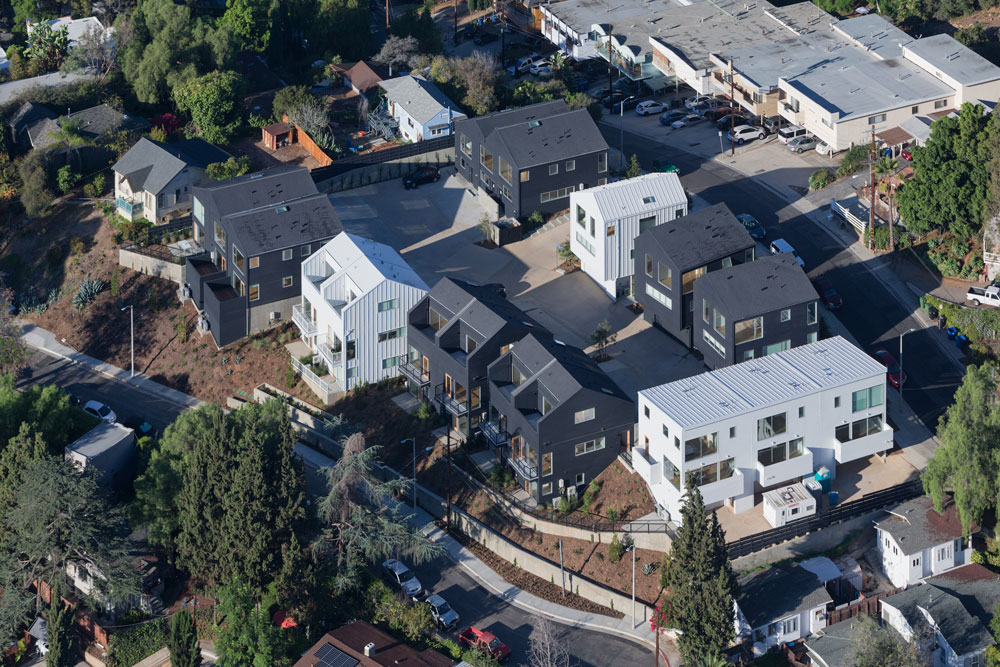
What really matters in affordable housing these days? It’s how people actually live, not just how many units fit on a plot. Look at Hannibal Road Gardens in London or Fillmore Park in San Francisco. These aren’t just boxes stacked on top of each other. They use clever designs—things like stepped terraces, courtyards everyone shares, even private balconies—to make crowded spaces feel open and friendly. There’s sunlight, spots where neighbors can bump into each other, and a real connection to the street outside. It’s not just about giving folks a place to sleep. It’s about making sure families and older adults actually get to enjoy their lives at home.
Sustainability Isn’t Optional Anymore
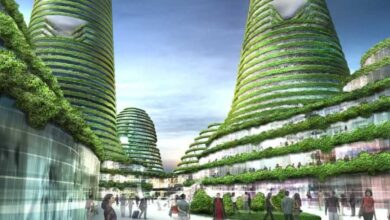
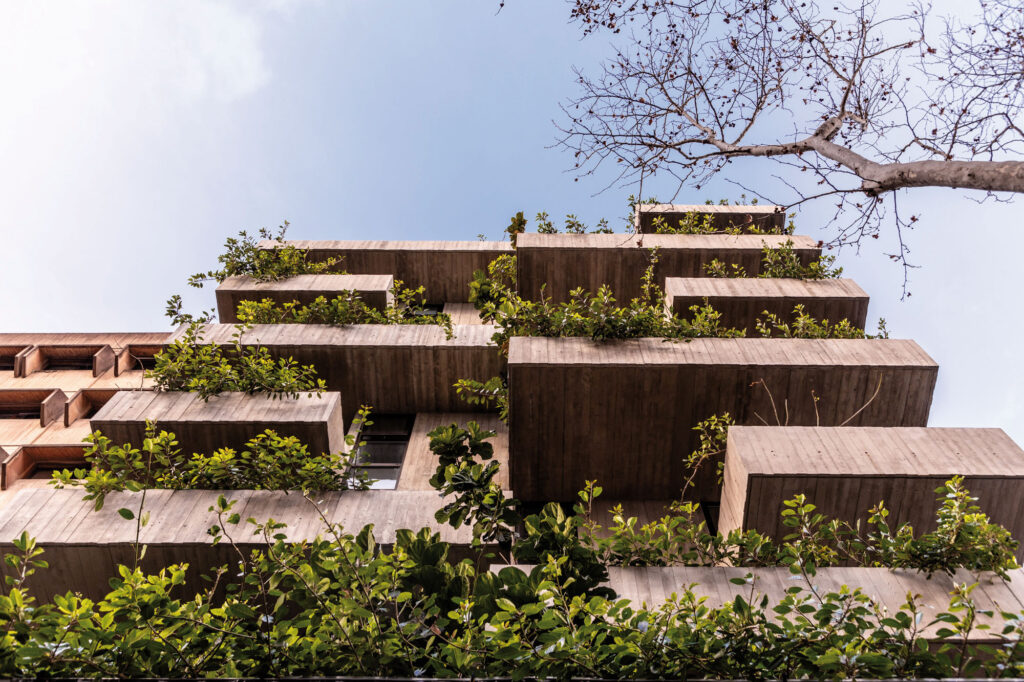
Let’s be honest—if a building isn’t sustainable, it’s already out of date. Efficient design cuts costs for everyone, and it’s good for the planet. Projects like Via Verde in New York and Bondy in France prove you can blend things like green roofs, solar panels, rainwater systems, and natural cooling into city housing. These aren’t just eco-friendly add-ons—they actually lower bills, help cities hit climate targets, and make affordable homes more appealing.
Affordable Can Look Good, Too
Forget the idea that affordable housing has to look dull. More and more, architects are using bold materials and creative designs to give these buildings real character. Look at Black & White Twins in the Netherlands or 13 Rue Legendre in Paris. You get striking facades, clever use of metal, and artistic touches—without blowing the budget. It’s not just about appearances, either. When places look good, it helps break down the stigma around affordable housing and makes everyone feel more included.
More Than Just a Place to Sleep
Some of the best new projects mix living spaces with opportunities to work and learn. For example, 60 Richmond Street East in Toronto isn’t just apartments—it’s got a restaurant and training kitchen run by residents. This kind of setup gives people chances to build skills, find jobs, and support the local economy. It’s a smarter, more resilient way to design for the future.
Conclusion
Innovative design is starting to change how big cities tackle affordable housing. When architects mix people-centered planning, green technology, sharp design, and community ideas, they show that you don’t have to choose between cost and quality. For anyone in their 20s to 50s—whether you’re a young professional, raising a family, or making city policy—these new projects offer real hope. Cities will keep growing, and bold, thoughtful approaches to affordable housing will play a huge role in making urban life fair, welcoming, and sustainable.