Echoes of History: Exploring the Architecture of Europe’s Historical Churches

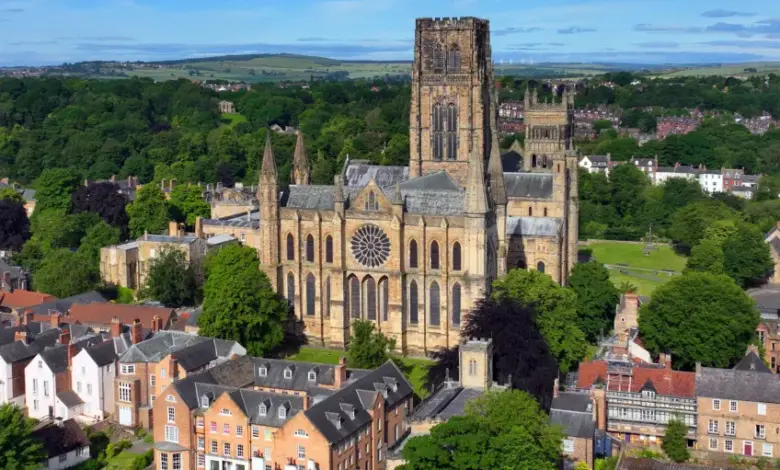
In Europe, old churches are a silent reminder of faith, art, and tradition. Being more than a place of worship, they have withstood various waves of change shaped by different eras, skill, and the evolving city. Ranging from majestic cathedrals to crumbling basilicas, all religious sites depict how designs have changed over time. Read into them, but those with a modern perspective realize much more than beauty, which reveals layers linked to forgotten time.
Early Foundations and Romanesque Influence
The earliest churches in Europe borrowed heavily from Roman building, developing over time into what is now called the style of Romanesque during the 900s to 1100s. They did not want flat walls but thick stone walls, with rounded arches, columns, and small windows. Such a design made buildings very sturdy; this is despite them being very dark inside, though this seemed to permit quiet contemplation, deep feeling, or awe.
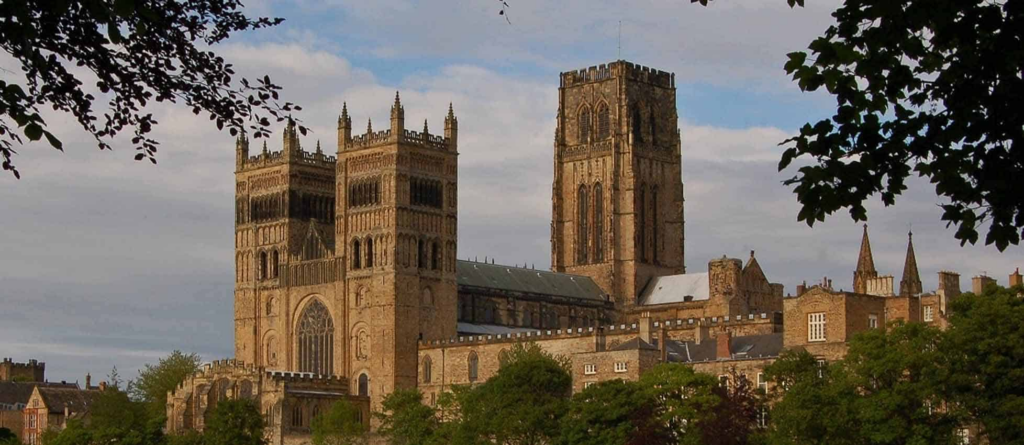
A good example of Romanesque architecture is Durham Cathedral in England. Constructed towards the end of the 12th century, it incorporates robust columns, rounded arches, but exudes a massive appearance which symbolizes the strength of this church in those days. The plan of this church demonstrates how these churches served religious functions notwithstanding their need to respond to defense requirements in those unstable eras.
A Brief History of Gothic Architecture
In the 1100s, a new style emerged, pushing aside old church designs in Europe. Contrary tocurved roofs, architects chose to construct buildings with pointed arches. Such designs enabled walls to be higher.Ceilings were sustained by ribs, with frames connecting them outside. As a result, thin walls were able to support big cutouts. As a consequence of these designs, inside buildings were bathed in bright light pouring in through stained glasses with pictures of religious stories.
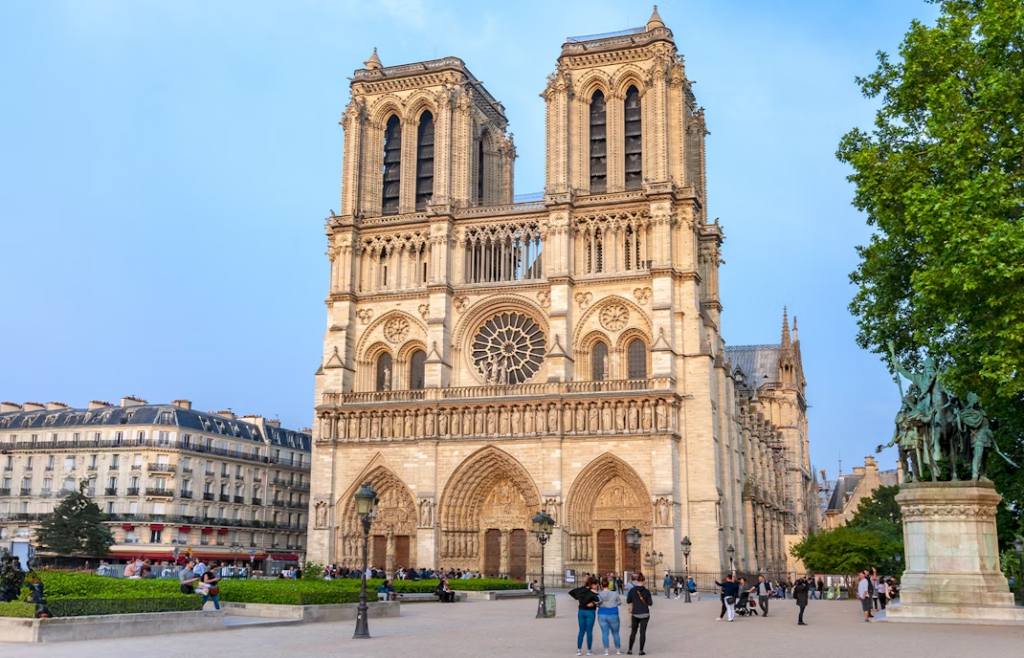
One famous Gothic cathedral catches the eye, the Notre-Dame Cathedral in Paris, France. With soaring spires, intricate exterior carvings, and giant colored glass panels, these structures illustrate the intent of Gothic architects. Skyward height expressed drama, but it also symbolized a reach for heaven with upraised hands, implying a soaring soul. Meanwhile, clever engineering enabled lightness to be achieved inside.
Renaissance and Baroque Developments
It can be noted in the Renaissance era that church designs started to prefer symmetry and equal shapes, taking inspiration from Greek and Roman architecture. Such religious sites were simple in design, proportionate in measurements, but focused on human presence. This marked an increased importance of knowledge over blind faith.
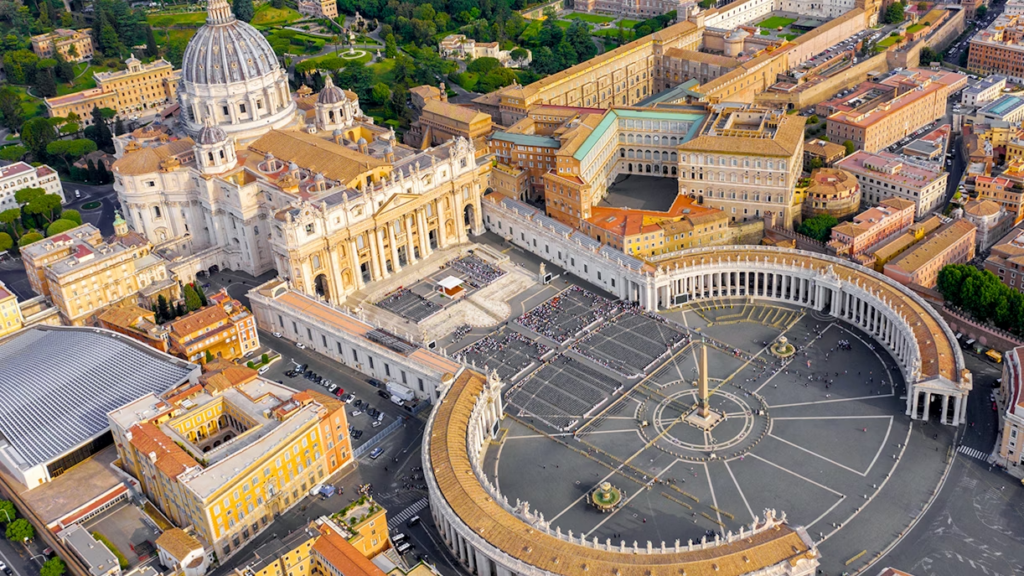
In later years, the Baroque style brought designs with a bolder flair, full of emotions. No peaceful views anymore – churches were now massive in design with deep layers of action-filled elements, curved designs, and minimal light used to create awe-inspiring or deep respect in devotees. See, for instance, St. Peter’s Basilica in Vatican City. Here, designs have incorporated old balance with a new sense of dramatic elements. The massive dome curve, pricey interior designs, and sculpture designs readily depict how mighty and powerful the church stood in those years.
Cultural & Artistic Importance
Historical churches in Europe protect precious discoveries – works of art, remnants of the bygone era, indications of lost arts. Enter these churches, notice old murals painted on walls, wood statues sculpted by human hands, intricate altarpieces, and small mosaics describing what people valued in those days. With time, clans added onto these sites or rebuilt part of them, which meant these were places where patchwork, in a sense, diaries were being written in different eras with conflicting elements.
Today, these churches are a location where one can pray, but they are also a tourist attraction. To keep these sites intact is to give next generations a chance to experience old architecture and remain connected with European prayer history.
Final Thoughts
Through Europe’s scattered ancient churches, one can see how styles changed over the years. While some, such as St. Peter’s in Rome, were heading towards massive size, others, such as Paris’s Notre-Dame Cathedral, were soaring with grace, and others, such as Durham Cathedral in England, boasted thick, solid walls, each church speaks of a belief in a bygone era. Opening a peep into these designs gives today’s worldview a grip on European history and why churches matter even in today’s times.