

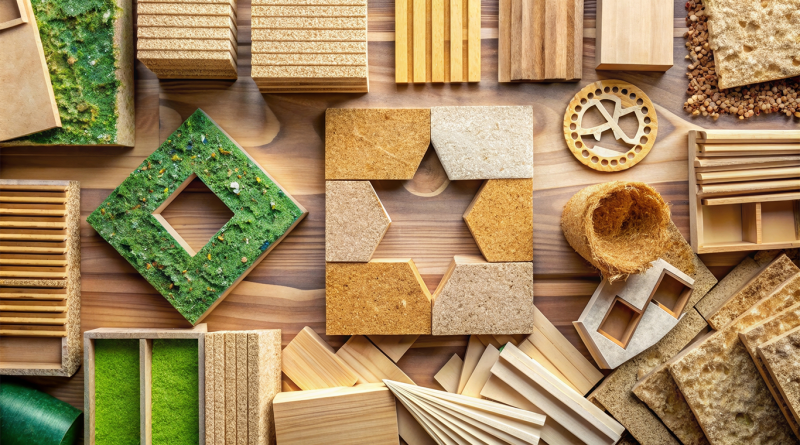
The concept of sustainability has stopped being an innovation and is considered an essential aspect of any project today. People realize the need to consider the impact of their decisions on the environment and look for materials that will reduce consumption and contribute to energy efficiency. Moreover, such approach is quite understandable as people cannot afford increasing energy rates, so there is a necessity to be proactive.
So, if you want to find out what materials can be used when constructing or renovating in 2026, pay attention to the following options:
Cross-Laminated Timber (CLT)
Cross-Laminated Timber is one of the most discussed materials in recent years. As its name suggests, this material consists of wooden boards attached in a special manner to ensure reliability. Unlike concrete and steel, which add to carbon emissions, cross-laminated timber stores carbon. Besides, the installation is rapid, so the project will not consume time and money. Finally, this product is rather popular due to its aesthetic characteristics and energy-saving properties.
Recycled Steel
It was already mentioned above that steel is a very reliable material that can be successfully used for construction purposes. Recycled steel is becoming even more popular thanks to its numerous advantages. Steel that is recyclable is durable as well; therefore, it is ideal for roofing and framing projects. You don’t have to be concerned about fire safety, termites, or molds with recycled steel. This is good news for those people who will be living in houses with such materials because they won’t be spending so much on maintenance and repairs.
Bamboo
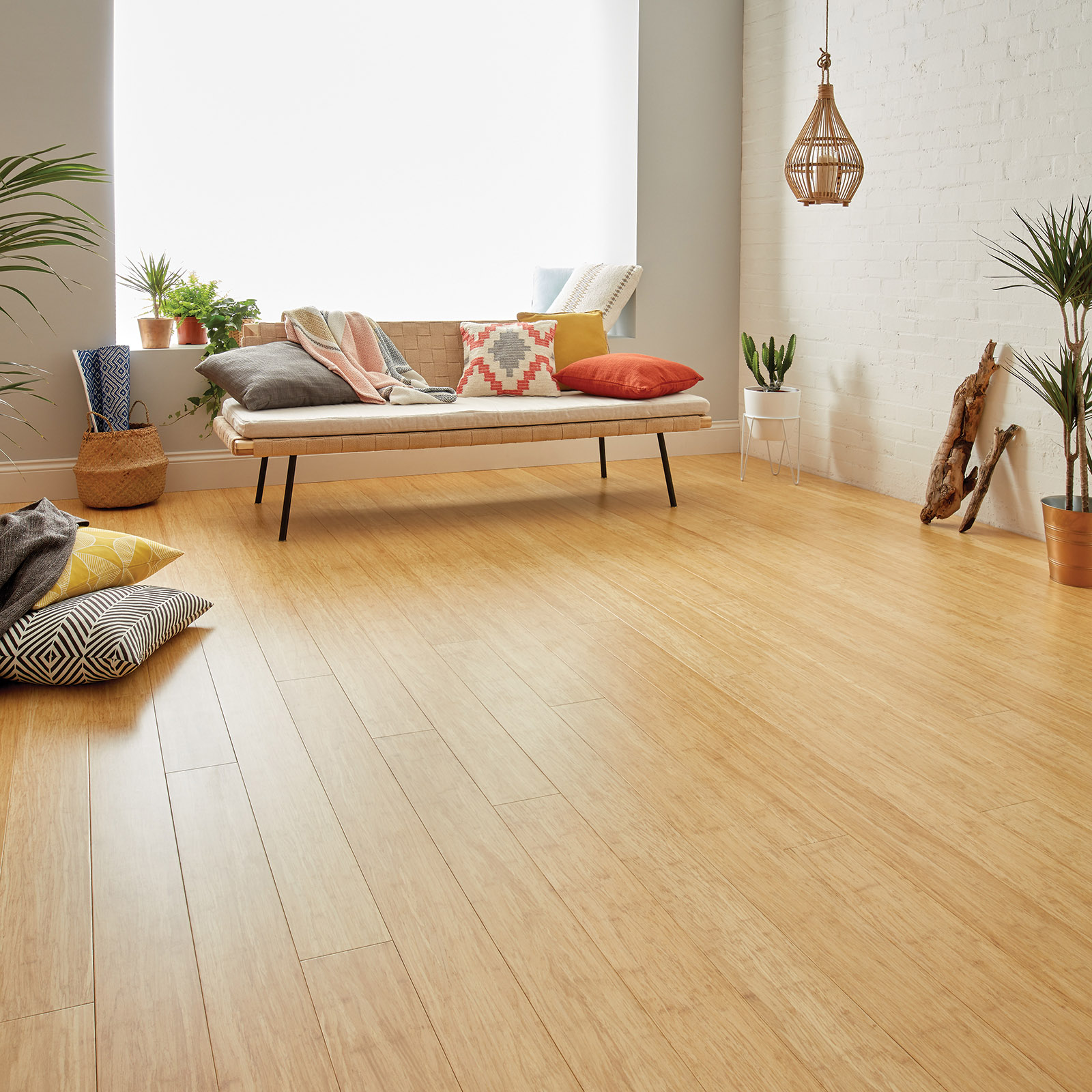
Bamboo needs more recognition in comparison to other sustainable construction materials. This material grows very fast compared to hardwood materials; thus, it is ready for construction within several years. Builders use bamboo in different ways because they know how to adapt it. Bamboo withstands moisture and daily wear while preserving its aesthetics. It is affordable and often used in green construction projects.
Hempcrete
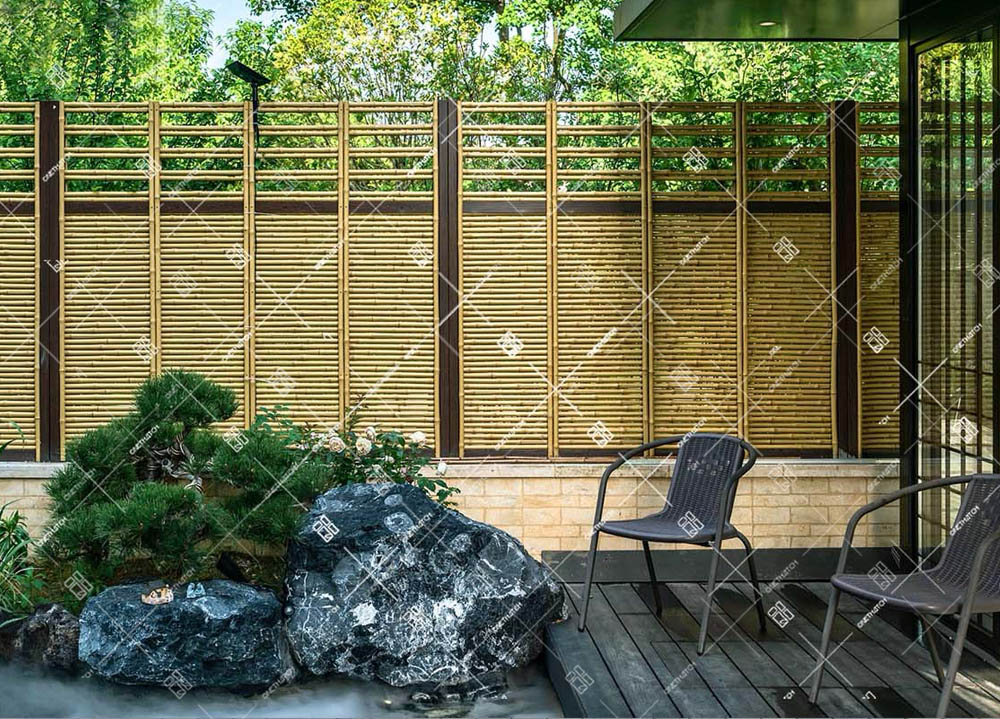
Although many may not have heard of this product, it gains more popularity nowadays. Hempcrete contains hemp fibers, lime, and water that create insulations that are carbon-negative. Moreover, hempcrete regulates humidity, creates breathable environments that positively influence air quality, protects buildings from pests, and helps to maintain comfortable room temperature. As a result, owners will have to spend less money on heating and cooling expenses.
Reclaimed Wood
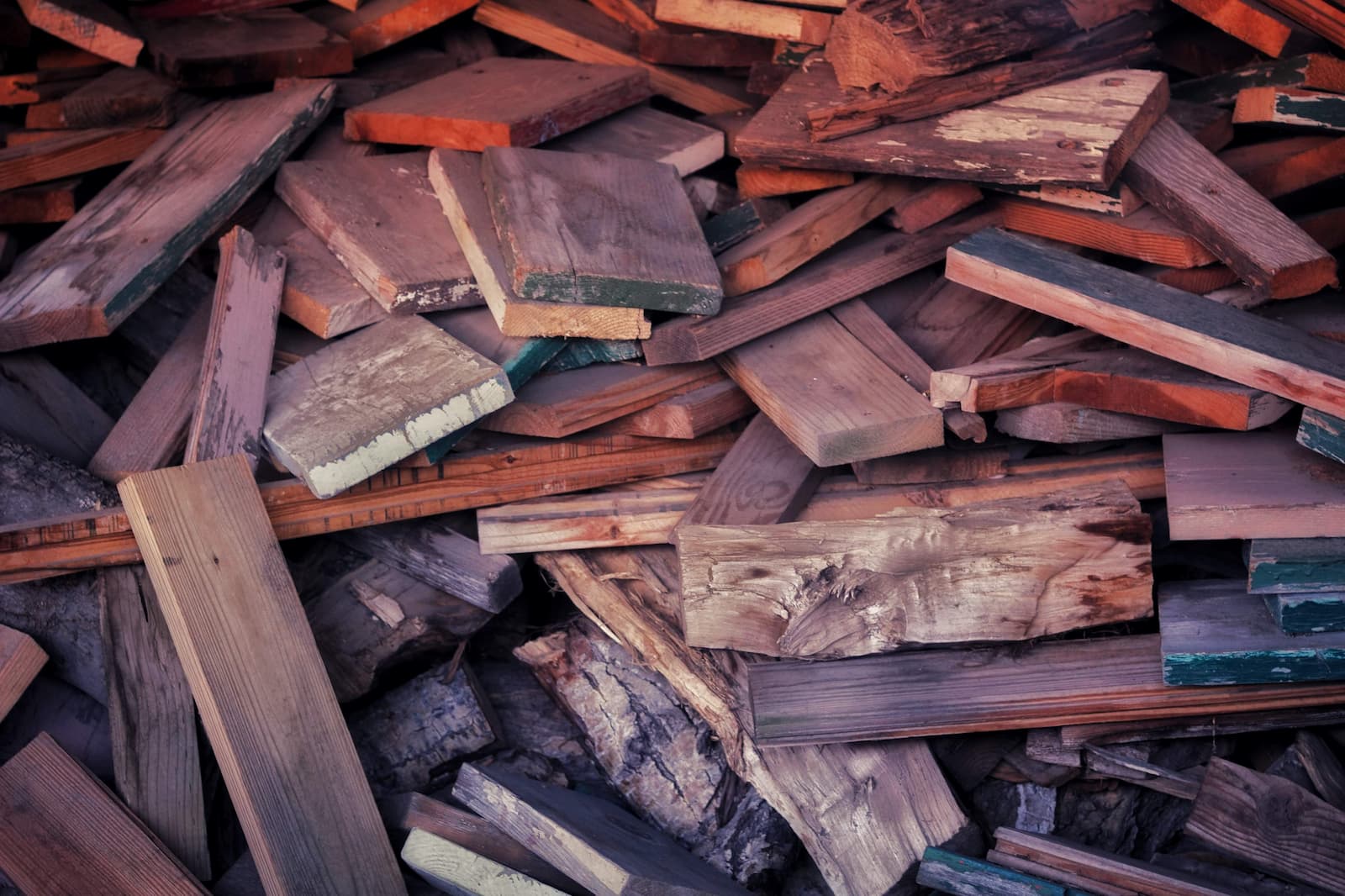
If you want to be sustainable and stylish, reclaimed wood is your material. This type of wood is harvested from abandoned barns or demolished structures. Therefore, you won’t be harming the environment by cutting down trees or filling up trash sites. Additionally, you will get natural textures and unique finishes that give floors, beams, walls, and cabinetry a personal touch.
Recycled Concrete
Although concrete is not a symbol of eco-friendliness in construction, it can become one when recycled. For instance, you could use this material to create new foundations, driveways, and other constructions. You’ll reuse the waste and save valuable resources while keeping your building project functional and practical.
Conclusion
In conclusion, cross-laminated timber, recycled steel, bamboo, hempcrete, reclaimed wood, and recycled concrete are the main materials in contemporary construction. Using these materials is beneficial for the environment and helps save money on energy bills and maintenance. They are likely to enhance the value of buildings constructed using these products.

