Tiny House Living: Smart Design for Simple and Sustainable Lifestyles

Tiny houses have become a worldwide trend in housing, as people are looking for simpler and more eco-friendly ways of living. Rather than living in massive houses with unused space, the idea of tiny houses is all about efficiency and living simply and smartly. This type of living will encourage homeowners to live functionally rather than lavishly but still be comfortable and functional.
What Is a Tiny House?
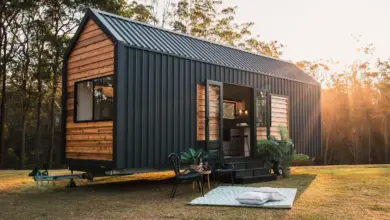
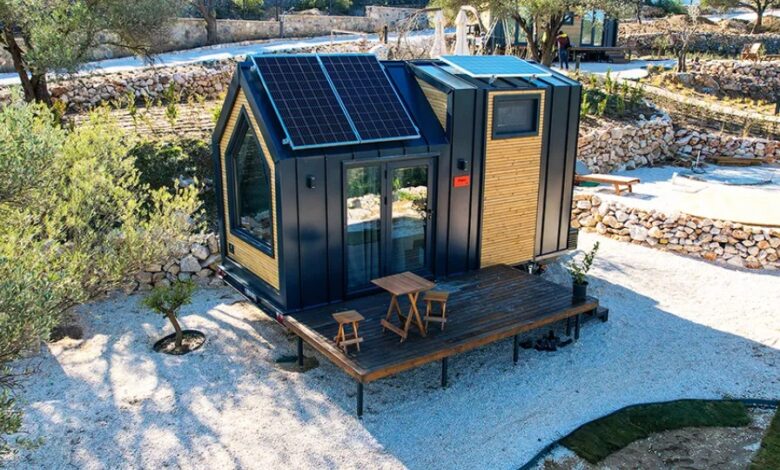
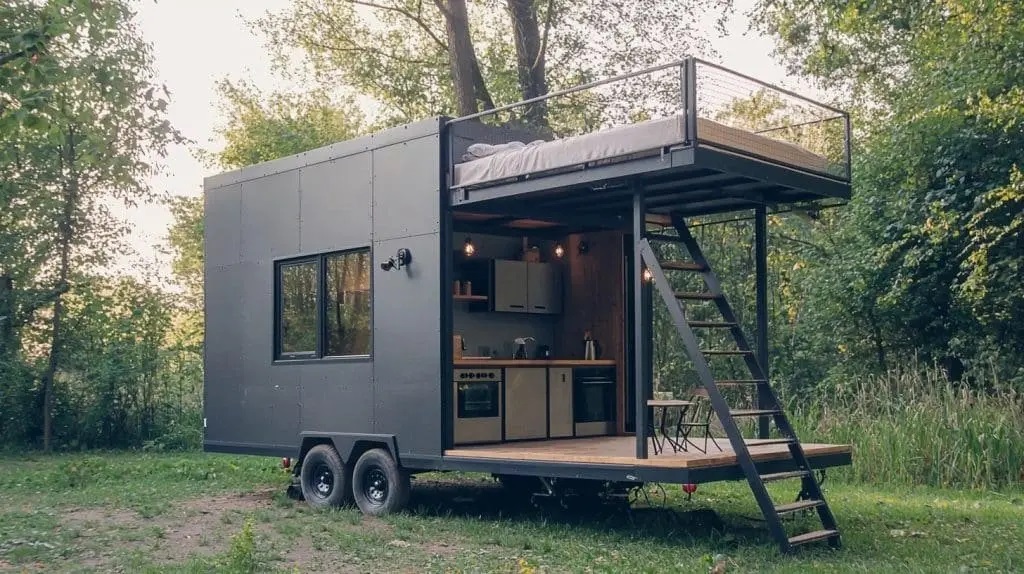
The tiny house movement promotes life living simply in small, efficient spaces. Tiny houses are typically between 10-40 square meters. Constructed with the most essential living areas, tiny houses have sleeping, cooking, sanitation, and storage. The idea is to the maintain maximum comfort through sensible use of space and innovative design. Tiny homes can be built on permanent foundations or built on trailers, allowing for mobility. This ability to move is what attracts a lot of minimalists, digital nomads, and remote workers in the tiny house movement.
Principles of Tiny House Design
Efficient Space Planning
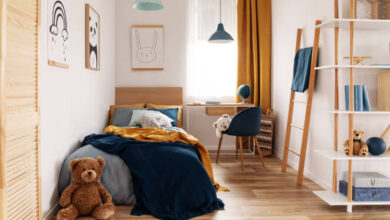
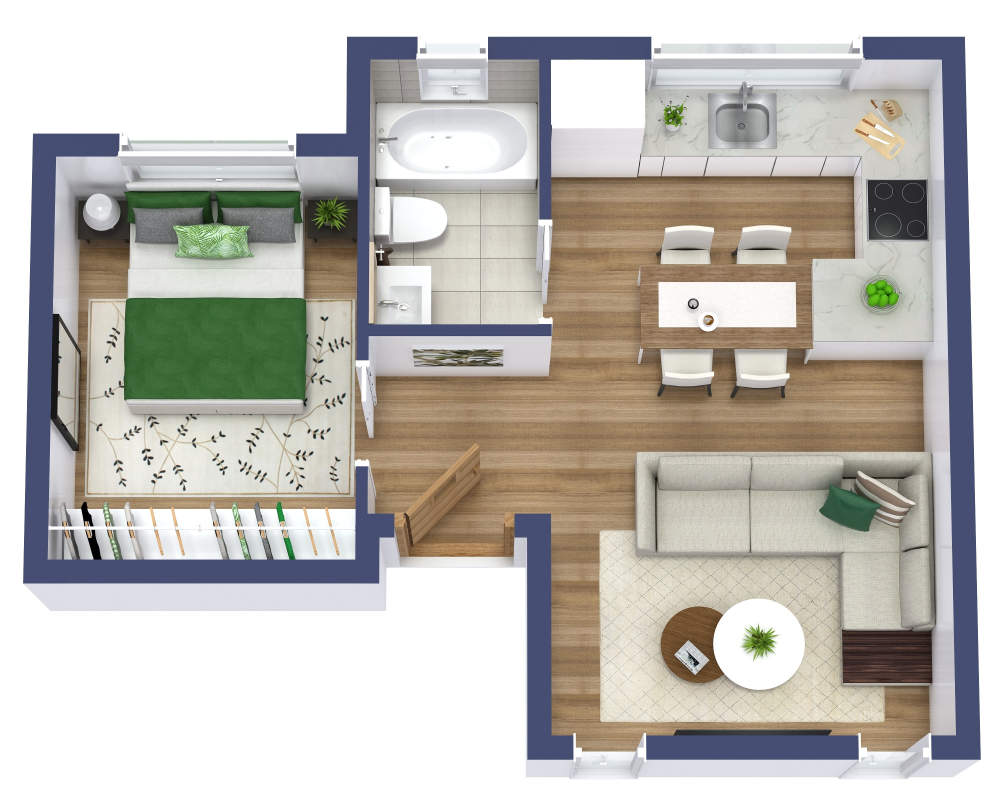
When it comes to tiny houses, every centimeter counts. Important features include stair cabinets, wall shelves, storage under the sofa etc, and furniture with multiple uses. foldable tables and concealed storage compartments also help with making the most with space available.
Minimalist Lifestyle
Having a tiny home fosters a minimalist lifestyle. It allows for designed to encourage more mindful living and helps residents concentrate on experiences instead of things.
Sustainability Benefits
Tiny houses are known for their sustainability benefits. The smaller space means that less material and energy are needed for construction and heating or cooling. Some people even install solar panels, composting toilets, and rainwater harvesting systems.
The size of the house automatically means that there is a smaller carbon footprint and that people will live in an eco-friendly manner. Some areas have even implemented the use of tiny houses to solve the problem of a lack of housing.
Financial Benefits
The biggest reason that people choose to live in tiny houses is the financial benefit. The cost of building a tiny house is much lower than that of a regular house, and the energy bills are also low. This means that people can pay off their debts and be financially independent sooner.
Maintenance is also simpler. Cleaning, fixing, and renovating a tiny house takes less time and money, and people can focus on their lifestyle rather than managing their property.
Challenges to Consider
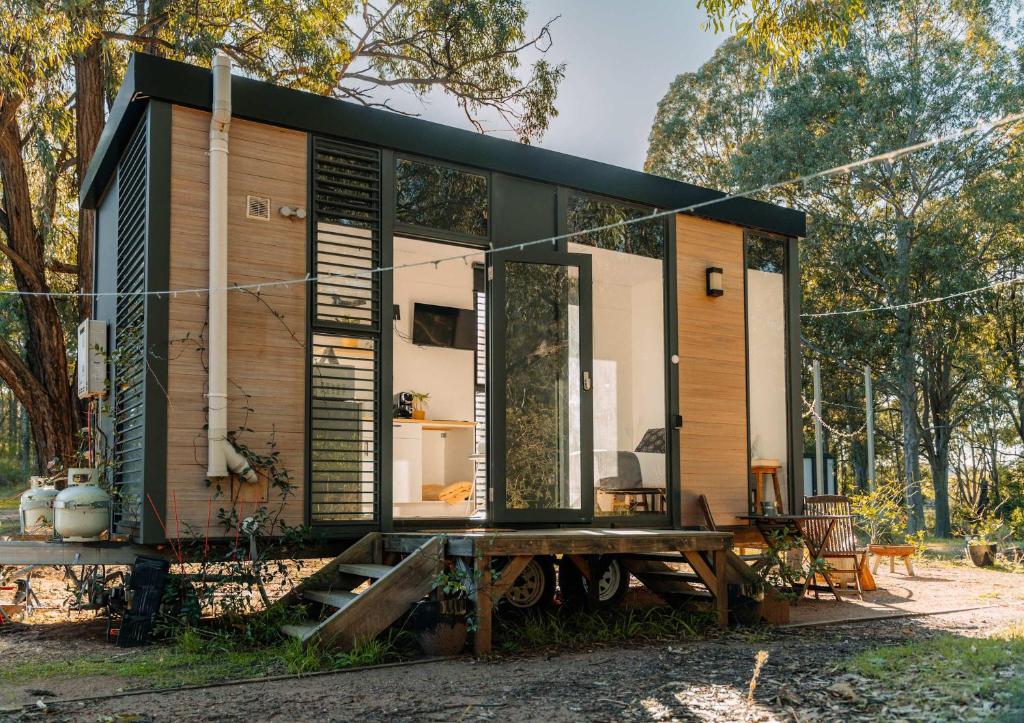
Despite the numerous benefits, there are also some changes that have to be made when it comes to living in a tiny house. This is because there is limited storage space and privacy can be an issue when it comes to families.The placement of tiny houses may also be affected by zoning regulations.
However, with the right planning, most of these challenges can be overcome.
The Future of Tiny Living
Due to the growing need for sustainability and increased density in city landscapes, tiny houses may be more commonplace in the future of housing systems. Architects are currently designing modular micro-housing communities with individual and communal living areas..
Conclusion
Living in a tiny house is more than just downsizing; it is a move towards living in a more intentional, efficient, and sustainable way. Through the integration of smart architecture, affordability, and sustainability, tiny houses provide a viable alternative for modern living that yearns for freedom and simplicity.