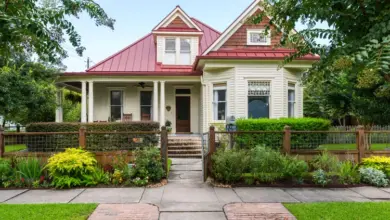
Affordable Housing and Modern Architecture: Solutions for Today’s Economic Challenges

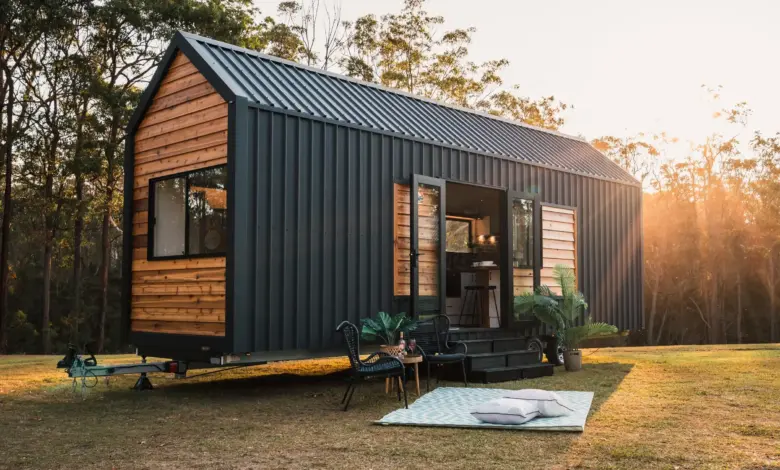
Affordable housing isn’t just a buzzword—it’s a real crisis, and it’s getting tougher every year. Construction costs keep climbing, the gap between rich and poor keeps widening, and cities just keep growing. Whether you’re a young professional, a family, or someone barely getting by, the struggle to find a place you can actually afford is just about universal now. Still, there’s hope. Architects aren’t sitting on the sidelines. They’re working with policymakers, dreaming up new designs, and figuring out smarter ways to build. They’re proving you don’t have to sacrifice quality for affordability. It’s a challenge, no doubt, but things are starting to shift.
What’s Driving Up Housing Costs?
Why is it so hard to find a reasonably priced place to live? Honestly, it’s a tangled mess. Cities keep attracting people chasing better jobs or schools, but there just aren’t enough homes to go around. Meanwhile, wages lag far behind the surging cost of rent and mortgages. That means people either settle for less or pour nearly every dollar into housing just to stay afloat. The result? Less financial security and a tougher day-to-day life.
Modular and Prefab: Building Faster, Spending Less
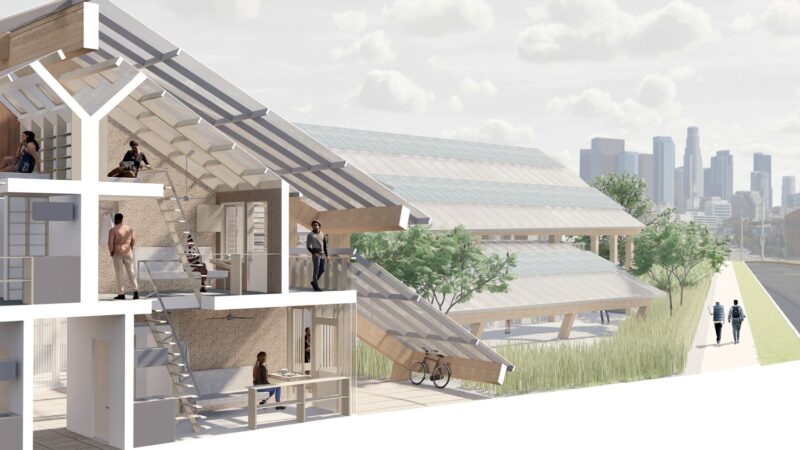
One big fix is modular and prefabricated construction. Developers now assemble homes with parts built in factories, which cuts down on labor costs and speeds things up. This approach isn’t just cheaper—it’s more consistent, and it gives builders better control over quality. Modular housing used to have a bad reputation, but it’s shaking that off and showing it can scale up and deliver solid, affordable homes for city life.
Turning Old Spaces Into New Homes
Cities are getting creative by turning empty warehouses, forgotten office buildings, and abandoned factories into actual places to live. This saves materials, preserves the city’s character, and skips the mess and expense of tearing everything down. Plus, it usually comes in cheaper than starting from scratch. For the people who move in, there’s something cool about living somewhere with a bit of history—old spaces, new life.
Micro-Housing and Co-Living: How City Living is Changing
Micro-housing and co-living are catching on, especially with younger people who want to stay in the heart of the city. These setups offer small private spaces and shared amenities, which keeps costs down and lets people connect with their neighbors. It’s all about flexibility, convenience, and a sense of community—perfect for folks who care more about experiences than owning stuff.
Sustainable Design: Making Affordability Last
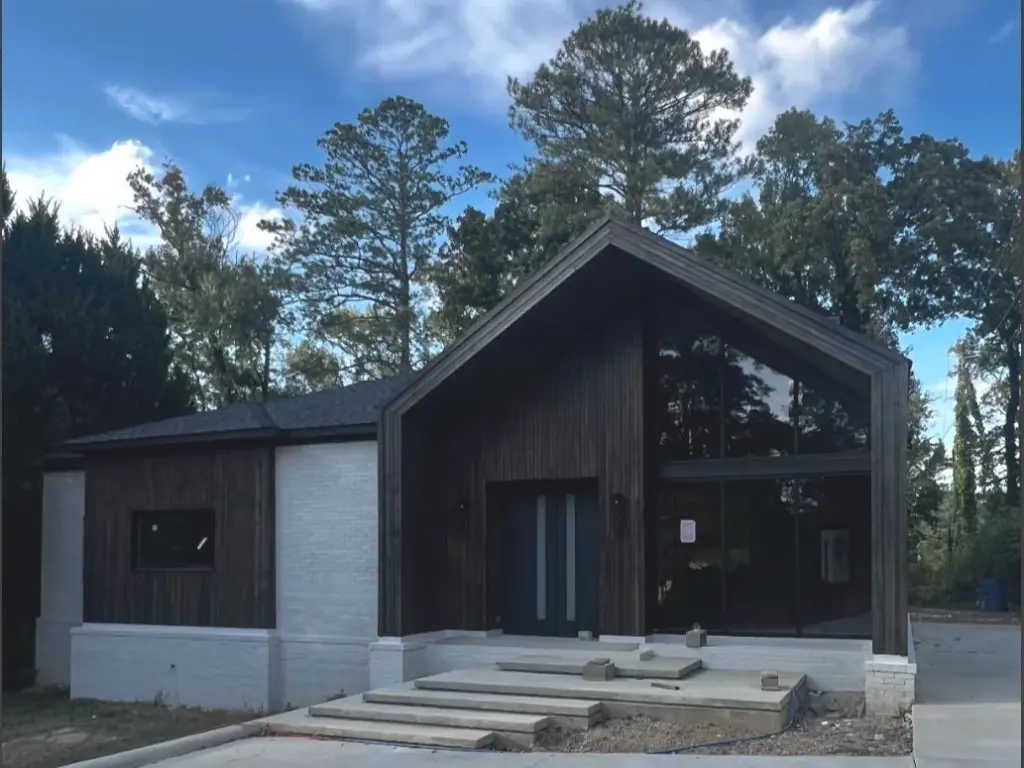
Sustainability isn’t just a nice bonus anymore—it’s a must. Smart features like energy-efficient layouts, solar panels, green roofs, and tough materials keep utility and maintenance bills in check. These choices are good for the planet and help keep housing affordable, especially as energy prices keep climbing.
It Takes More Than Just Good Design
No single answer will solve the housing crisis. Great design only works when it’s backed by smart policies—things like inclusionary zoning, tax incentives, and teamwork between governments and private developers. Real change needs residents to have a say too. When the community gets involved, new housing actually fits what people need, and those projects stand a better chance of lasting.
Building a Future People Can Actually Afford
Affordable housing and modern architecture don’t have to be at odds. When cities blend sharp design, sustainable building, and fair policies, they create homes people want—and can actually afford. As the economy keeps changing, this mix of designers, policymakers, and communities working together will keep affordable housing real and within reach, now and for the future.