Have you come across information on smart cities and innovative building models? It is a fact that despite the rapidly enhanced development of technology and artificial intelligence, smart cities and intelligent buildings are not a novelty.
In both, there is use of the term ‘smart,’ and a smart city and a smart building are often described as those that are optimized through technology to better the quality of citizens’ lives as well as the world of business.
Smart City
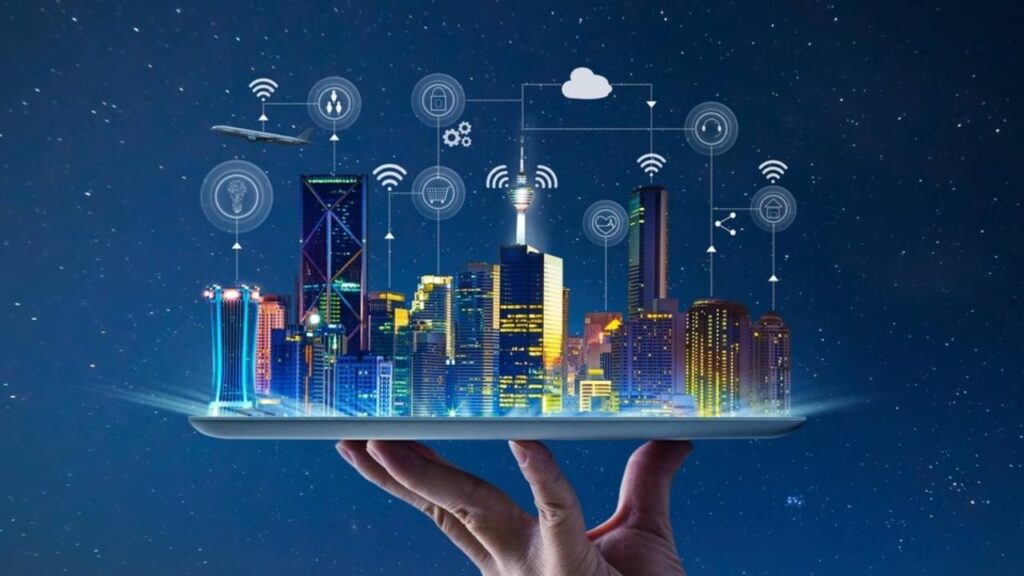
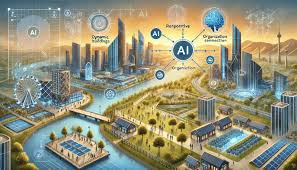
Smart cities stress the ‘use of technology’ and not the technology available to the city. Noticing broadly, smart cities are established to maximize functions, induce economic growth, and enhance the quality of life using various innovative technologies and data analysis techniques.
An area qualifies as a smart city with technology-infused infrastructure, efficient and functional transport systems, and cutting edge urban development.
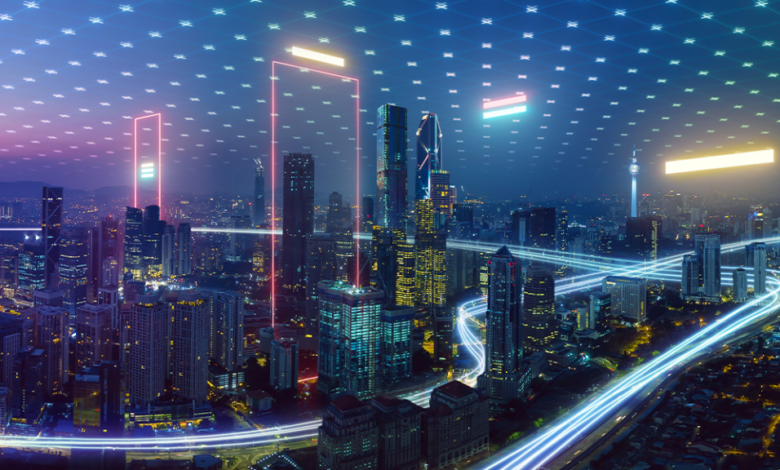
Smart cities are using various software and the Internet of Things (IoT) in order to integrate private vehicles, public transport, and sensors on the highways. The lines in smart cities will be analyzed for their data in order to boost the productivity of the cities.
In summary, smart cities are the integration of automation, machine learning, and IoT, which makes it possible to implement technology to raise the productivity level of the people living in the city.
For instance, smart cities will not rely on the police as the basic tool for traffic control. They will utilize smart traffic control systems, which will help monitor traffic and prevent congestion. Smart cities will also employ the use of sensors in areas prone to disasters like floods, storms, and hurricanes before the disasters happen.
Smart Building
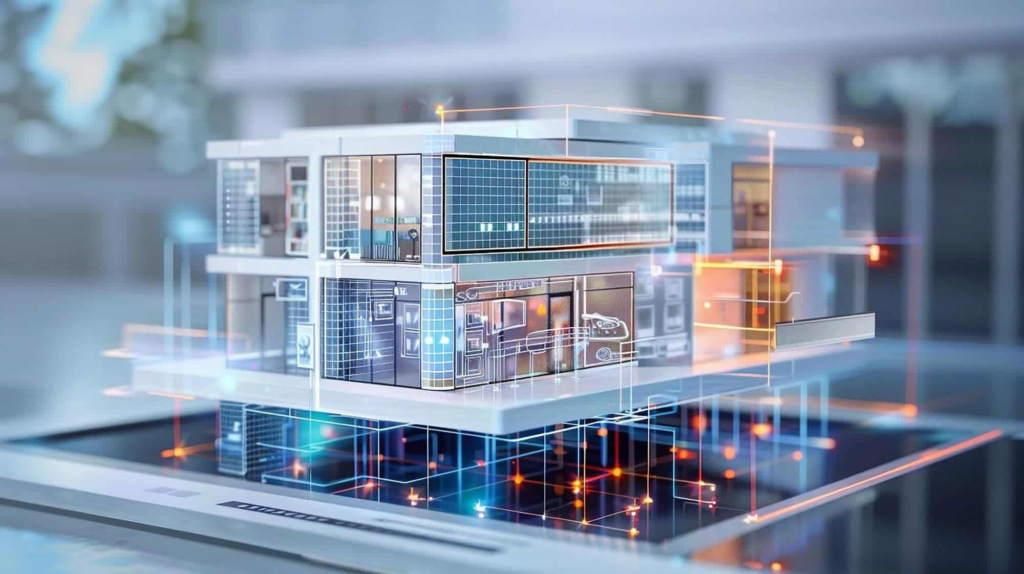
The objectives of smart buildings include lowering operational costs, improving comfort levels for occupants, consuming less energy, providing a safer environment, and lowering carbon footprints. This assists in the achievement of zero emissions.
They also require the use of IoT devices that allow for the automatic transfer of information from one object, person, or software to another. Secondly, they require network connectivity technologies in smart buildings, such as cellular, LPWAN, or communication protocols like Zigbee or MQQUEM.
The use of automated systems in smart buildings has resulted in an environment of more efficient use of energy. Smart buildings involve more than the idea of automation. They require the ability to assess data gathered by sensors and make decisions based on the data.
Starting on the Paessler The Monitoring Expert website, the various types of intelligent buildings include:
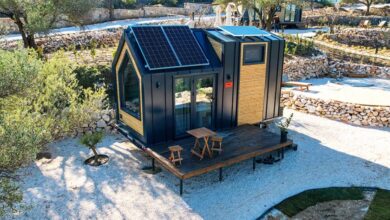
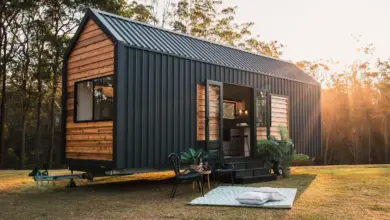
- Intelligent private houses that make use of different technologies for enhancing comfort and safety for their residents. Remote and security sensors are some of the most commonly utilised technologies within smart homes.
- Intelligent office and commercial buildings make it possible to control centrally and automatically functions and systems like water, energy, lights, heating, security, elevators, and waste management. For instance, there is no need to physically turn off and on shared electronic devices like lights in office buildings. The sensors work automatically, thus actually conserving energy.
On the other hand, in the retail sector, IoT sensors will prove to be highly useful for development in business. The sensors will help in collecting customer data automatically, and based on that, strategies will be formed to take the business forward. - Smart factory buildings and warehouses are controlled by a type of industrial IoT network that creates an ecosystem that includes smart supply chains, smart logistics, and smart machines.
Conversely, their introduction in smart buildings will provide a comfortable environment beneficial to all those who will walk into the spaces. This will happen because sensors will be used to automatically change the air quality, lighting, and temperatures in these spaces.
Concluding Remarks
The future of smart cities and buildings is shaped by rapid technological advancement, growing urban populations, and an increasing demand for sustainability. Innovations such as the Internet of Things, artificial intelligence, and data-driven infrastructure are redefining how cities operate, making them more efficient, resilient, and responsive to human needs. Smart buildings are no longer limited to automation but are becoming intelligent ecosystems that optimize energy use, enhance occupant comfort, and improve safety.