AI in Architectural Design: The Future of Smart Buildings

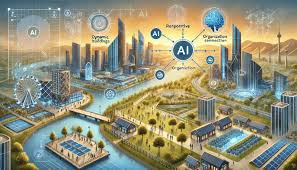
AI enables automation, and this can be achieved, for example, through text to BIM and AI chatbots. Integration of AI technology in architecture design will, therefore, bring a change in how buildings are designed and erected.
Buildings that use AI sensors and other technology are known as smart buildings. Smart buildings provide residents with levels of comfort, sustainability, and efficiency that had never before been possible with optimized temperatures, real-time data on occupancy rates, energy usage, and more.
We shall learn more about smart buildings and AI in architectural design and how architectural drafting services come into the equation.
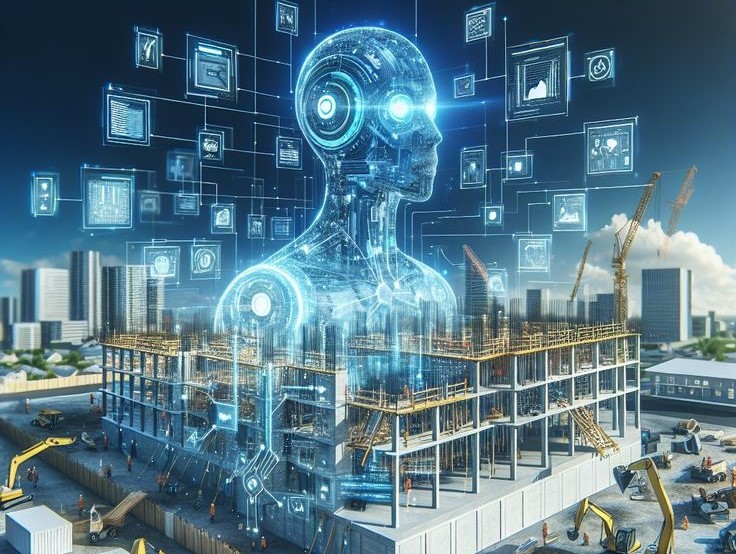
AI in Architecture Design: Turning the Corner
AI in the field of architecture has ceased to be a mere notion. It has become a reality where a number of benefits have been experienced. With the implementation of AI algorithms, architects and engineers can optimize processes, right from the design stage to the completion stage. This has made itpossible for a substantial increase in the productivity rates where routine work such as design automation can be accomplished.
It allows professional designers to focus more time and effort on those aspects that concern their creative work and projects.
The ability to carry out analyses on large amounts of information through the use of artificial intelligence ensures that the designs are optimized through analytics. This not only ensures that the best architectural solutions are brought to the table but that the solutions are tailored to suit certain clients. It also ensures that the solutions incorporate certain considerations.
The absorption of AI in architectural design is a significant milestone in a move towards intelligent and responsive design processes and is likely to influence the future design trends.
How to Utilize AI in Architecture?
When it comes to the future of architecture and construction, regardless of whether it is residential or office buildings, the word under focus is sustainability. The construction industry has some goals of net zero to achieve for which it will use all the tools it can.
Knowledge about AI in architecture design matters. As we discussed, AI can help in many fields in creating intelligent buildings of the future. In what way can companies benefit from AI applications?
- Design Optimization: Analysis of the data may help in swiftly identifying possible design optimizations that are functional and sustainable.
- Predictive Maintenance: Predictive maintenance made available through AI technology will be utilized to intervene or rectify systems when necessary.
- Improving the management of energy by using AI to create smart buildings for efficient energy consumption by learning the patterns of the building occupants,
- More Efficiency: Many repetitive works can now be automated, and the design and drafting process can also be streamlined for faster completion of the projects.
- Enhanced Collaboration: AI technologies make collaborating with other team members easier, and this results in effective communication.
- Advanced Visualization: AI improves the visualization of designs using AR and VR, which results in better decision-making and customer satisfaction.
- Sustainable Building: This technology can assist us in selecting the appropriate sustainable material and maximize the use of material and resources, as it favors eco-friendly alternatives and green building practices.
The rapid growth of AI is also gearing towards the development of smarter and more responsive buildings. Additionally, green materials for constructing buildings shall also add to the improvement of sustainability. The AI system shall examine a significant amount of data, thus enabling companies to make decisions with regard to safety. Buildings can also be made secure, strong, and resilient.
CAD design services and AI
CollageCAD was There are CAD tools that have generative AI capability. They are assisting designers in creating, iterating, and simulating different designs. An example of this is Toyota, which has used generative AI to design the next generation’s seat frame that will be tougher and more comfortable.
CAD design services are highly improved with AI technology. AI tools can deal with design changes, drafting, and details. This minimizes the workload necessary for the designer. They can thus concentrate on other project stages. AI enables designs to be produced and tested. Based on that, the most appropriate design that fits other criteria can be selected.
AI enhances collaboration and visualizations. Using AI-integrated CAD systems, designers can work collectively on a particular project, irrespective of where they are located. This improves communication since there are instant updates, and everyone is actually working towards the same objective.
Closing Remarks
In addition, the use of AI increases the visualization power by creating very realistic 3D graphics. This can also be improved by the use of augmented reality and virtual reality concepts, giving the architect and the client access to the design in an immersive way. This is in addition to the time-saving aspect of AI in architectural design.
Companies are now focusing on the sustainability certification for their projects. They are evidence of the dedication the companies have to environmental stewardship, energy conservation, and sustainable design. AI in the field of architecture will assist here as well in optimizing resource use, tracking energy use, and complying with green building standards.