How Russian Home Design Conquers Extreme Winter Cold

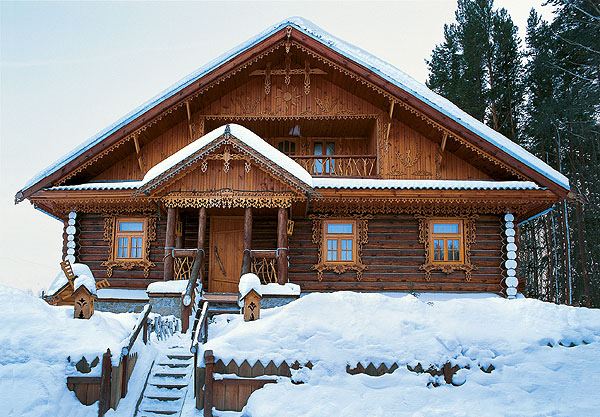
Russian terrain is quite broad, with very harsh winters. In Russia, it often gets below zero, meaning mercury in most homes stays below zero for many weeks. Despite very harsh weather, house design in Russia is more than aesthetics, as design is crucial in maintaining heat, providing protection against the weather, and also saves energy. Over many years, house design in Russia has adjusted to withstand the snowfall in conjunction with cold weather through a combination of traditional construction techniques with modern materials.
Thicker Walls and Insulation as Essential Ingredients
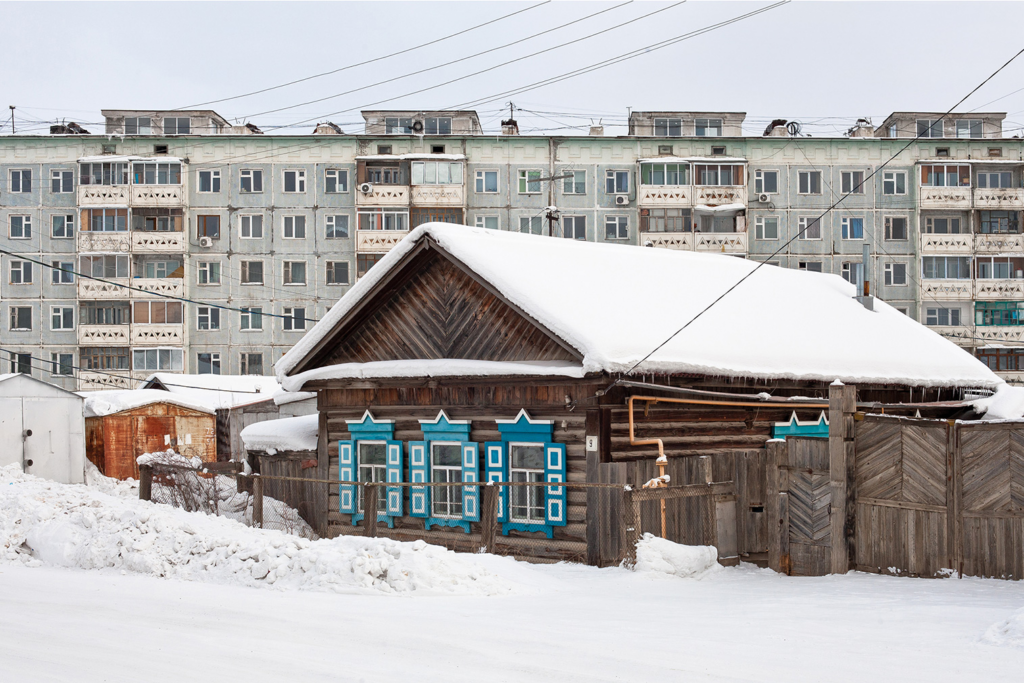
A very important feature of Russian house architecture is having strong walls and effective insulation. In those days, homes had thicker logs since “wood conducts poorly in the cold.” Modern homes have walls insulated with materials such as brick, concrete, or better insulators, which help retain warmth inside the house. Insulated walls have dampness inhibitors ‘to keep warmth inside and prevent dampness from accumulating, especially if it’s below freezing temperature.’
Efficient Heating Systems and Thermal Planning
Russian dwelling architecture places a significant emphasis on heating. In most urban settings, apartments utilize a common heating system. This implies a consistent heating supply even during the cold weather seasons. In rural settings, the design and construction of masonry stoves continue to retain heat even after the fuel has stopped burning. The architectural design is suited for space heating. A reduced number of windows and close room configurations with restricted open areas help to prevent heat escape.
Roof Design and Snow Handling
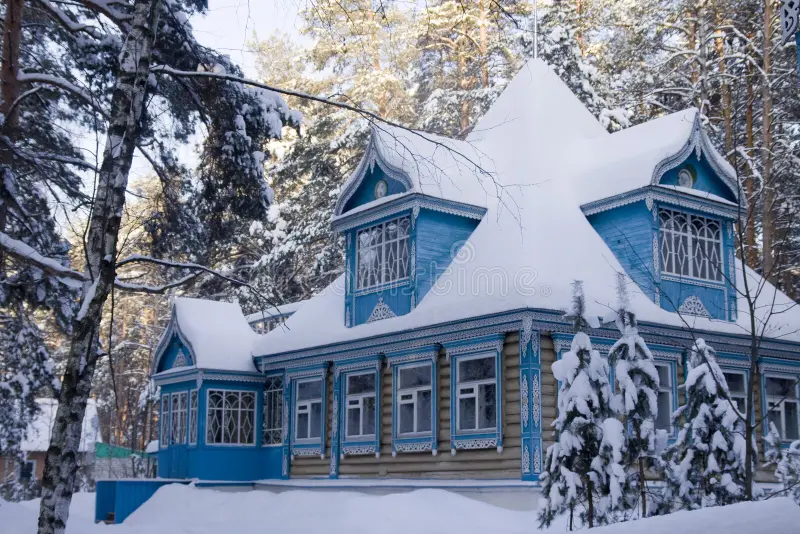
In Russia, roofs should be designed for high snow load and icy cover. As a result, roofs tend to be steep – this encourages snow to fall off before a loaded structure is created. In consideration of extreme cold, roofs are made from steel that is coated for durability and tiles that resist cold without breaking apart. Incentive for this choice includes enhanced functionality against water runoff, which, if improper, can cause passageway due to frozen obstruction.
Windows, Doors & Air Sealing
Windows and even doors allow easy escape of heat if it is cold outside. In Russia, windows always consist of two or three layers of glass, along with tight-sealing frames, which delay the escape of heat. These windows often possess additional layers that reflect heat inside. Doors also receive additional strength and tight seals against cold draughts. The outside entry doors can possess closed hallways; these serve as barriers against entry of outside weather into the room.
Modern Innovations for Energy Efficiency
In contemporary years, modern housing in Russia embraces efficient energy sources. With clever temperature regulation, improved insulation materials, and air conditioning that recirculates heat, internal warming remains longer while consuming lower energy resources. Improved buildings employ passive sun techniques – windows are designed to capture low-intensity sunbeams in winter and maintain high insulation factors. As a result of modernization and innovations, living standards are improved while reduced loads of ecological impact and heating costs are achieved.
Conclusion
To cope with cold weather in Russia, housing structures combine traditional techniques with modern technology. Thick insulation, effective heating, roofs that provide a slope for heavy snow loads, and tightly sealed structures enable a comfortable and secure indoor environment. With the changing weather patterns, housing designs in Russia offer valuable lessons on adapting structures for harsh climatic conditions while not compromising on comfort or usability.